The Process
How Embodied works
A home-based course that involves both nervous system regulation and neural retraining, including a simple 5-step brain retraining method.
Your body is not broken. It is trying to protect you.
I wish I had known this sooner.
Whether the trauma was biological, social, developmental, or something else entirely, your body's emergency response system can get stuck. Instead of turning off when the danger has passed, your nervous system stays in high alert, in stress mode, even when you are safe.
And when that happens, it does not matter how much sleep you get, how much therapy you do, or how well you eat.
The real issue is not being addressed. Your vagus nerve is still sending danger signals to your body, keeping you in an endless cycle of anxiety, exhaustion, and physical symptoms.
Your body is burning through energy just to get through the day.
The 3 phases of healing
Healing is a non-linear process, and it unfolds differently for each person.
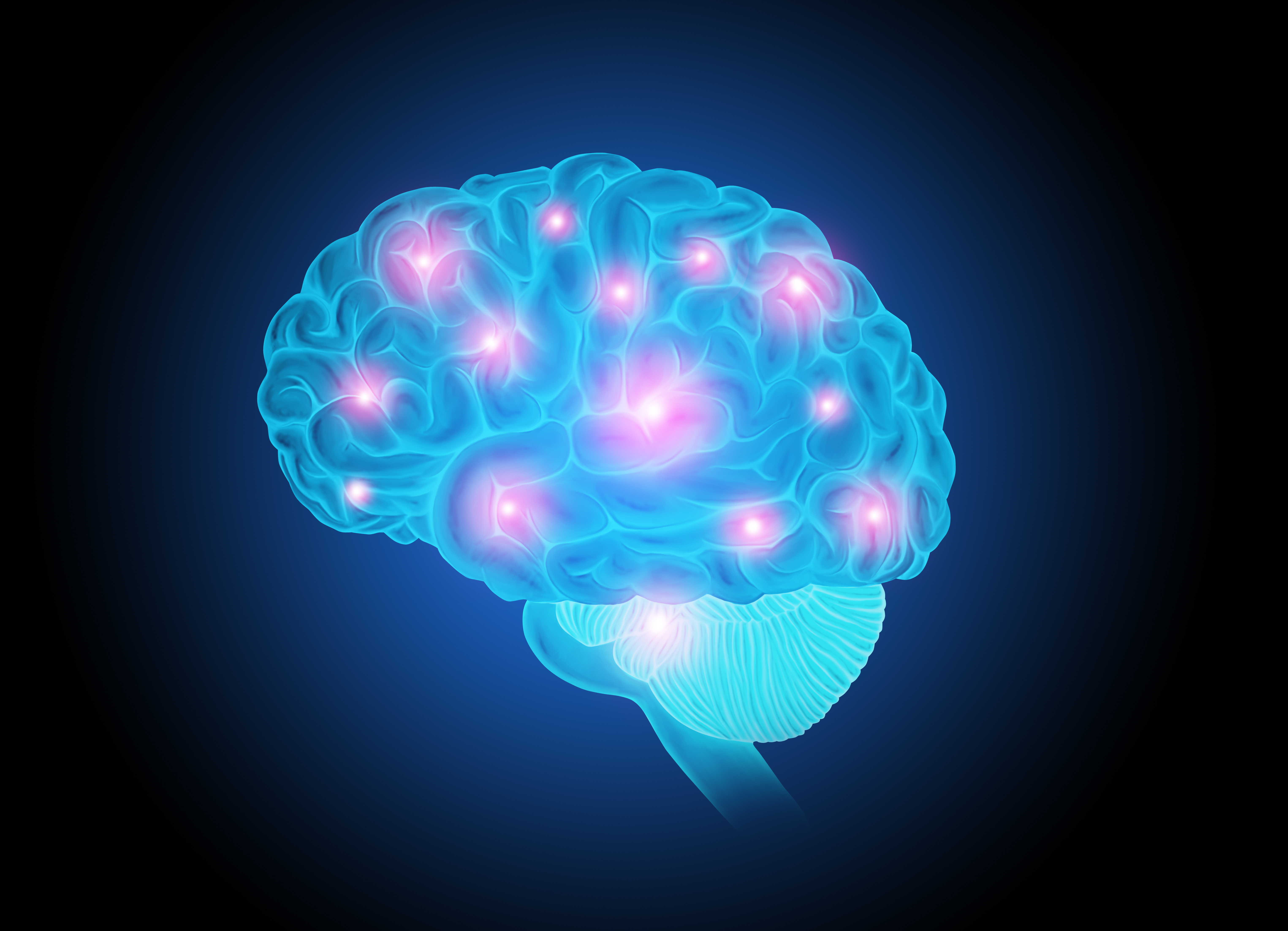
Understanding your brain and nervous system
Learning how your brain and nervous system work to protect you is the first phase of healing. When you understand why your system does what it does, the fear around it begins to soften. Awareness allows you to step away from identifying with your suffering so you can heal.
You will learn how the nervous system works, why symptoms develop, and how the brain gets locked into patterns that linger beyond the original threat. You will also learn the three states of the autonomic nervous system, so you can begin recognising which state you are in at any given moment.
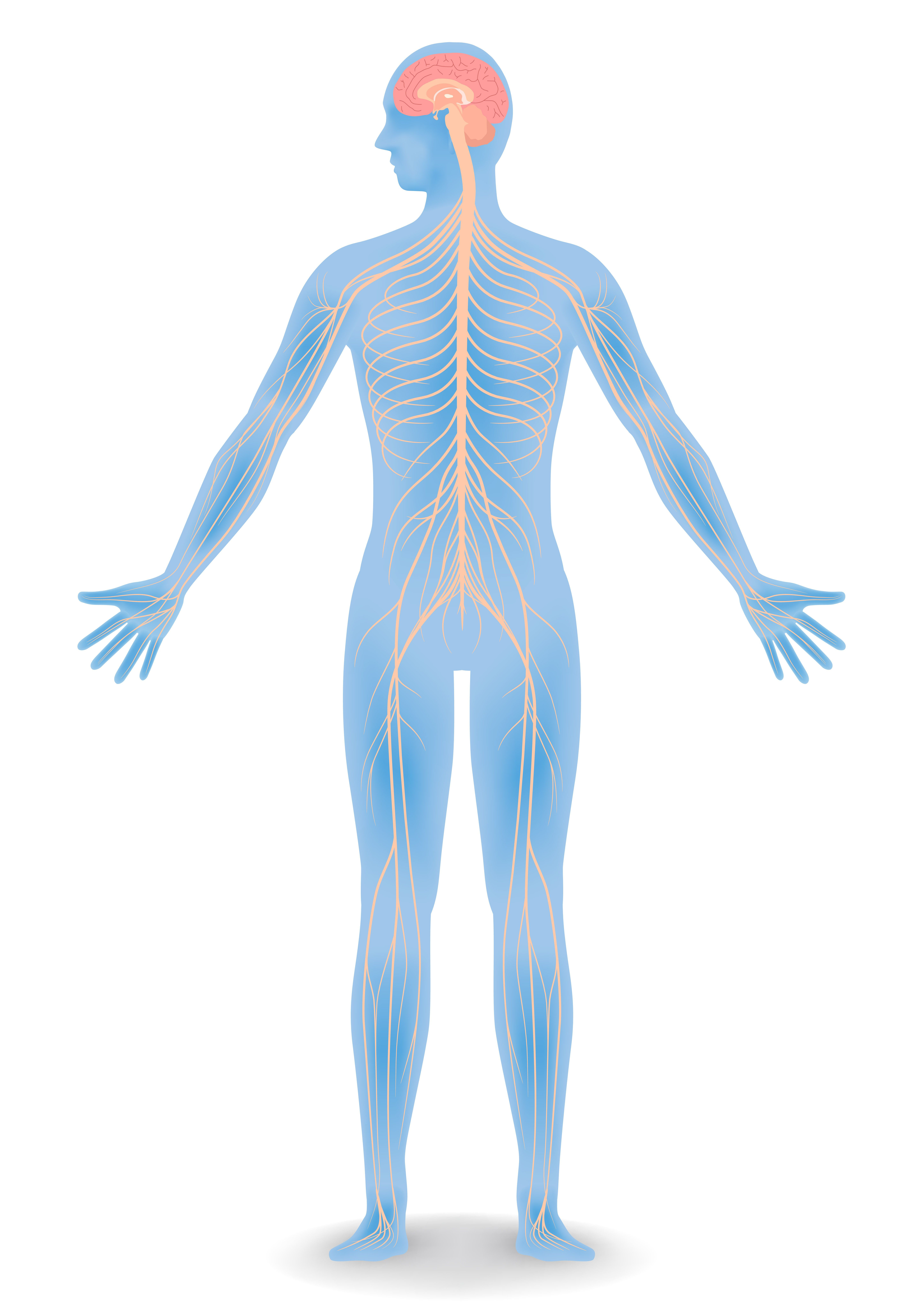
Building nervous system capacity
In this phase, you will use nervous system regulation practices and techniques that help you shift the baseline of your nervous system over time.
You learn to recognise your patterns of dysregulation, what your personal signs of fight, flight, and freeze look like, and how to move toward more safety in a way your body can actually receive. This matters because many regulation techniques feel good in theory but bounce off a nervous system that is not yet safe enough to receive them.
The practices here are somatic, evidence-based, and drawn from Polyvagal Theory. They include breath work, somatic movement, orienting practices, and nervous system toning exercises. You will also begin brain retraining, which uses neuroplasticity to teach the brain new patterns of safety.

Processing what the body has been holding
This is where the deeper work happens. It is an optional phase, but it allows the body to process blocked emotions so you can heal from deep within.
Through personal coaching sessions, I incorporate Integral Somatic Psychology (ISP) to work with the emotional layer underneath chronic symptoms.
We allow the body to complete what it started and never finished. The emotional responses that got interrupted. The sensations that were too much to feel before. I help you build the capacity to tolerate difficult emotions, so there is less emotional and physical reactivity.
Emotional processing shifts how you feel and how your nervous system relates to the world. Symptoms that regulation alone could not touch often begin to change here.
What is neuroplasticity?
The science behind brain retraining.
Neuroplasticity is the brain's ability to change and adapt. It is the process by which your brain forms new connections and rewires itself in response to experiences, thoughts, beliefs, emotions, and behaviors.
Your brain can change
The brain forms new connections throughout your life, in response to experiences, thoughts, and behaviors.
Patterns can shift
Survival-based loops of stress and threat can be interrupted. The brain can learn to recognise safety, rather than expect danger.
Deep healing is possible
Through specific practices, you build new neural pathways and create healthier ways of being.
This natural capacity for change is what makes lasting healing possible.
What to expect
What doing the program actually looks like
Self-paced, on your time
You move through the modules at the pace your nervous system can meet. Lifetime access means you can return to any practice or lesson whenever you need to.
Around 30 to 45 minutes a day
Most people find this is enough to integrate the work meaningfully. Some weeks call for more, some for less.
Body-based, not just informational
Education is part of it. Practice is the heart of it. You will spend time in your body, learning what regulation feels like, not just what it means.
Personal coaching sessions
The modules give you the foundation. One-on-one sessions are where the work bends to your specific story, your specific patterns, and the pace your body is asking for.
Private coaching sessions with Noa
For those who want more personal support, sessions with me are available at any point in the process. Sessions are tailored to where you are and what your system needs most, offering compassion, encouragement, and support as you regulate your nervous system and rewire your brain toward safety.
When you are ready, we can go deeper into emotional processing and trauma work to address the root cause. If you are curious about what sessions look like, a free initial consultation is the best place to start.
60-minute sessions
*Personal coaching is not a replacement for medical advice.
Book a Free ConsultationFAQ
Here are some common questions
Is Embodied right for me?
Embodied is designed for people living with chronic anxiety, chronic pain, fatigue, POTS, fibromyalgia, burnout, and other nervous system-related conditions. It is also for people who have tried various approaches and feel like something is still missing. If that sounds like you, this program was built with you in mind.
Do I need any prior experience with somatic work or nervous system healing?
No. The program starts from the ground up and assumes no background in somatic practices, nervous system theory, or any other modality. The only thing you need is a genuine willingness to work gently with yourself.
How is this different from other programs out there?
Many similar programs are excellent, and some people who come to Embodied have already worked with them. What is different here is scale and intimacy. Embodied is a smaller, more focused course, designed to work with a coach to go deeper into what lies underneath the symptoms: the emotional energy or trauma. The program gives you the foundation and the practical tools. The coaching shapes the work around your specific story, your specific patterns, and the pace your body can actually meet.
How much time does the program require each day?
The practices are designed to fit into your daily routine. Some modules are longer, some are short daily practices. Most people find that 30 to 45 minutes a day is enough to work through the material at a meaningful pace. You are always welcome to go deeper or slower.
Can I do the program alongside other treatments?
Yes. Embodied is designed to complement other approaches. Many people work with doctors, therapists, or other practitioners at the same time. If you have any specific concerns about how it might interact with something you are already doing, bring it up in the free consultation and we can talk through it.
What if I have tried brain retraining before and it did not work?
This is a very common starting point. Brain retraining alone, without the somatic and emotional processing layers, often produces improvement that does not fully last. It reaches the limbic system but not the deeper physiological patterns the body is holding. If you have done brain retraining before, you are actually well-placed to do this work. The foundation is already there. Personal coaching can help you reach deeper layers.
Is it safe to rewire your brain?
Neuroplasticity is a safe and healthy process that allows your brain to learn new ways of thriving. It merely means that your brain is capable of changing itself to learn safety rather than survival. It is also capable of unlearning protective mechanisms, such as pain and illness, that are keeping you stuck in chronic stress and survival mode.
I have a lack of mobility. How will I do these exercises?
The program offers a variety of simple, effortless exercises that are customized for different needs. While some exercises require standing and movement, other exercises are designed to be used in the comfort of a chair or bed.
Ready to begin?
Join the program now, or book a free discovery call to see if it is right for you.